
Nutrition & Mindful Eating
Nutrition Planning: How to Build a Healthy Diet That Supports Your Whole Body
Nutrition is one of the most powerful tools we have for supporting long-term health, energy, mood, and overall well-being — yet many people focus on calories alone instead of the quality and balance of what they eat.
Free to use, no download required.
Current nutrition science suggests a simple shift: focus on the quality, variety, and balance of the foods you eat rather than obsessing over individual calories. According to the World Health Organization (WHO), healthy dietary patterns can help reduce the risk of heart disease, stroke, type 2 diabetes, certain cancers, and other chronic health conditions.
Why Nutrition Planning Matters
Most people don't intentionally create an unhealthy diet. The problem is often a lack of awareness. Without a plan, it's easy to eat too few vegetables, not enough protein, insufficient fiber, or too many highly processed foods.
A simple nutrition plan helps you:
- Make more balanced meal choices
- Improve nutrient intake over time
- Support physical and mental performance
- Build healthier long-term habits
- Identify patterns that may be affecting your health
Rather than asking, "How many calories did I eat?", a more useful question is: "What nutrients did my body receive today?"
"This mindset helps shift the focus from restriction to nourishment."
The Building Blocks of a Balanced Plate
A practical way to think about nutrition comes from the Harvard Healthy Eating Plate model. It suggests building meals around four major components: vegetables and fruits, whole grains, healthy protein, and healthy fats.
1. Fill Half Your Plate with Vegetables and Fruits
Vegetables and fruits provide vitamins, minerals, antioxidants, and fiber that support virtually every system in the body. Good options include leafy greens, broccoli, peppers, tomatoes, berries, apples, and citrus fruits.
Aim for variety and color — different colors often provide different beneficial compounds.
2. Include Quality Protein
Protein supports muscles, organs, hormones, immune function, and recovery. Good sources include fish, eggs, poultry, beans, lentils, tofu, and nuts and seeds.
Protein also helps increase satiety and can help maintain stable energy levels throughout the day.
3. Choose Whole Grains and Fiber-Rich Carbohydrates
Carbohydrates are the body's primary source of energy — but the quality of carbohydrates matters. Examples include oats, brown rice, quinoa, whole-grain bread, whole-grain pasta, and beans and legumes.
Whole-food carbohydrate sources generally contain more fiber and nutrients than highly refined alternatives.
4. Don't Fear Healthy Fats
Healthy fats are essential for hormone production, brain function, nutrient absorption, and cell health. Good sources include olive oil, avocados, nuts, seeds, and fatty fish.
Modern nutrition research shows that healthy fats can be part of a balanced diet and should not automatically be avoided.
Think Beyond Single Nutrients
Many people focus on one nutrient at a time — "Am I getting enough vitamin C?", "Am I eating enough protein?", "Should I take more magnesium?" While nutrient awareness is valuable, nutrition works as a system. Foods contain hundreds of compounds that interact together.
For example:
- Leafy greens provide vitamin K, folate, magnesium, and antioxidants
- Fish provides protein, selenium, vitamin D, and omega-3 fatty acids
- Beans provide protein, fiber, iron, and minerals
The goal is not perfection. The goal is building meals that consistently provide a diverse range of nutrients.
Track Patterns, Not Perfection
One healthy meal won't transform your health. Likewise, one unhealthy meal won't ruin it. What matters most is your overall pattern over weeks and months.
When reviewing your eating habits, ask:
- Am I consistently eating vegetables?
- Do I get protein at most meals?
- Am I consuming enough fiber-rich foods?
- How often do I rely on highly processed foods?
- What habits help me feel my best?
Tracking patterns can reveal important insights that are difficult to notice day-to-day.
Try Nutrition Tracker from Holistic Loader
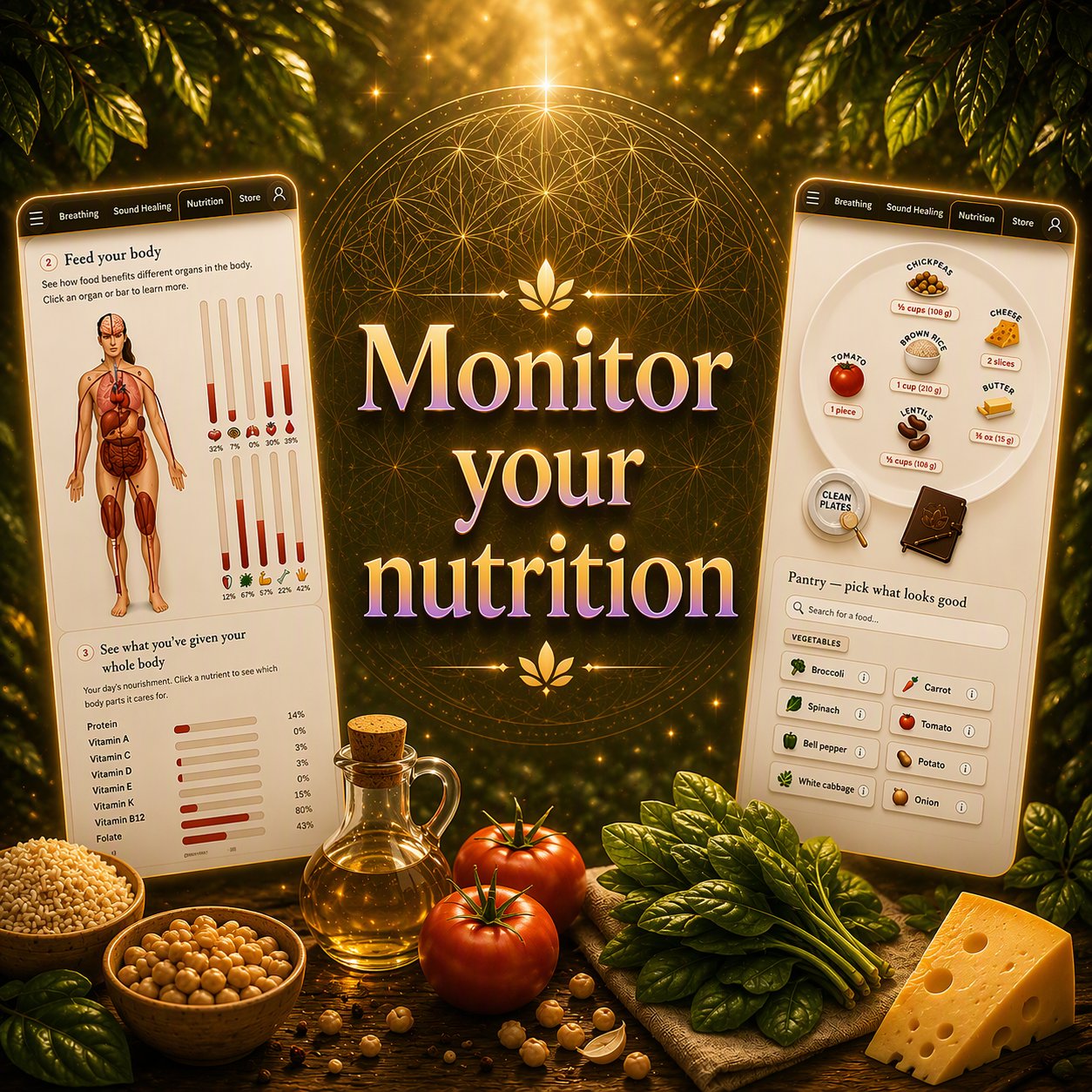
Nutrition is easier to understand when you can see how your food choices affect your body. Nutrition Tracker by Holistic Loader is designed to help you focus on nourishment rather than calorie counting.
Plan Your Daily Plates
Build your meals visually by adding foods to different plates throughout the day. As you create your meals, you can see which nutrients are being added, which nutrients may still be lacking, and how different foods contribute to overall dietary balance.
See How Food Supports Different Organs
One of the unique features of Nutrition Tracker is its body-focused visualization. Instead of only showing nutrient numbers, you can explore which nutrients support the brain, contribute to heart health, are associated with bone health, support the immune system, and how various foods contribute to different parts of the body.
Follow Your Eating Habits Over Time
Healthy nutrition is about long-term consistency. Nutrition Tracker allows you to save daily food logs, review previous eating patterns, monitor nutritional trends over time, and identify strengths and areas for improvement.
Track Habits You Want to Improve
Many health behaviors extend beyond food. Nutrition Tracker also includes habit tracking so you can log behaviors you wish to monitor, such as excess sugar consumption, alcohol intake, smoking habits, and other personal lifestyle habits. Historical graphs help you see long-term trends and stay accountable to your goals.
"Every food can teach you something."
Instead of guilt, counting, or extreme dieting, the goal is to help you understand what your body receives from the foods you eat and empower you to make informed decisions.
Sources & References
The following general resources cover the principles of nutrition planning discussed in this article.
- World Health Organization (WHO) – Healthy Diet Fact Sheet. Outlines the components of a healthy diet and how balanced eating patterns reduce the risk of chronic disease.
- World Health Organization (WHO) – Healthy Diet Recommendations. General guidance on fruit, vegetable, fat, sugar, and salt intake for a balanced diet.
- Harvard T.H. Chan School of Public Health – Healthy Eating Plate. Describes the proportions of vegetables, whole grains, protein, and healthy fats that make up a balanced meal.
- Harvard Health Publishing – Healthy Eating Plate. Overview of building balanced meals and choosing quality carbohydrate and fat sources.