
Nutrition & Mindful Eating
Beginner's Guide to Mindful Eating
In a busy world filled with distractions, many of us eat without truly noticing what we're doing. Mindful eating offers a different approach — one built on awareness, presence, and a healthier relationship with food.
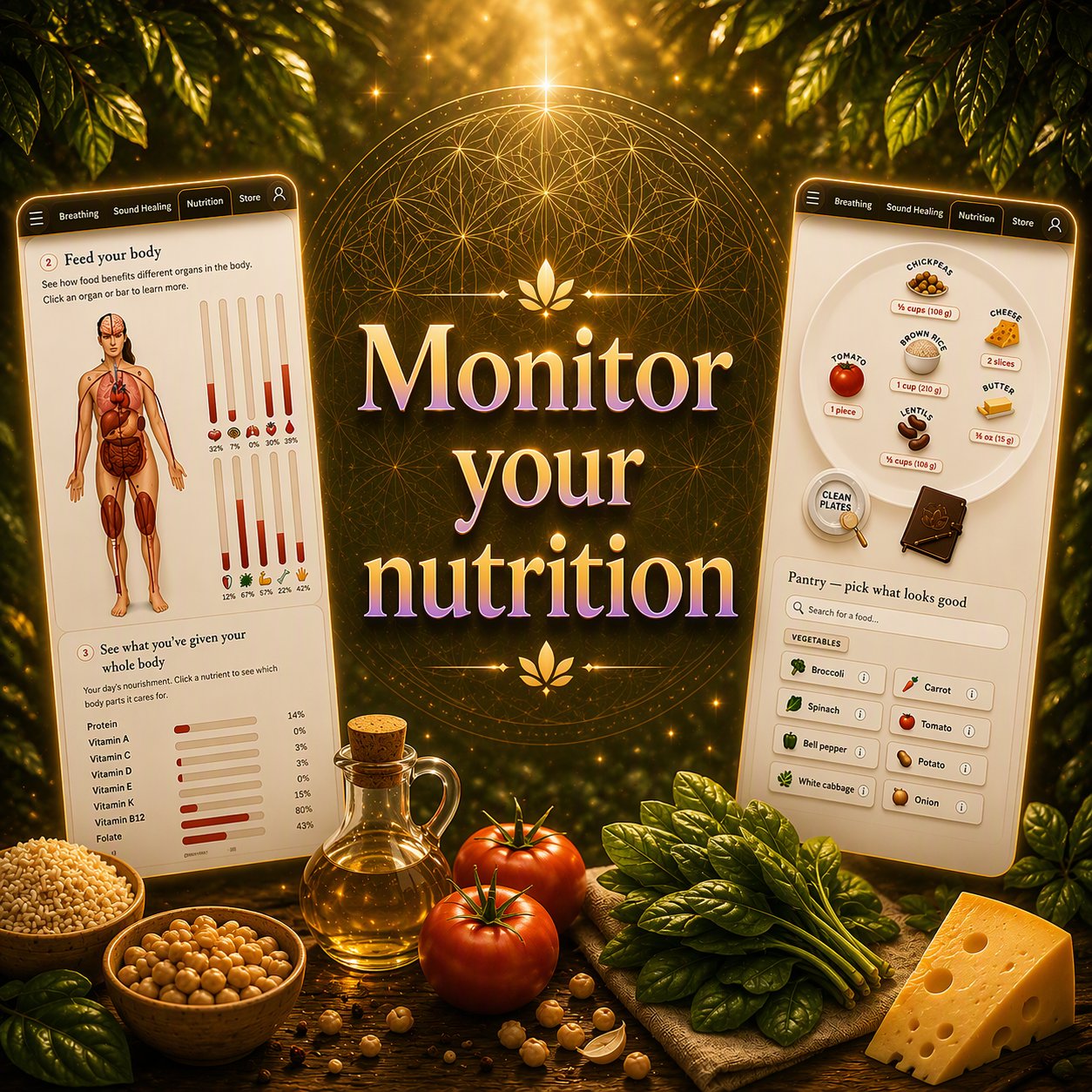
Free to use, no download required.
Whether your goal is improved wellbeing, better digestion, or simply enjoying meals more, mindful eating is a simple practice that anyone can begin today.
What Is Mindful Eating?
Mindful eating means paying full attention to the experience of eating. Instead of rushing through meals on autopilot, you focus on the food in front of you — the flavors, textures, and signals coming from your body.
The purpose isn't dieting or counting calories. It's about becoming more aware of your body's natural hunger and fullness cues while reducing mindless eating habits.
Many people discover that when they eat more mindfully, they naturally make choices that help them feel better physically and emotionally.
Understanding Hunger vs. Cravings
One of the most important skills in mindful eating is learning the difference between genuine hunger and cravings.
Physical Hunger
Physical hunger develops gradually and comes from your body's need for energy.
Signs of physical hunger may include:
- An empty feeling in the stomach
- Low energy levels
- Difficulty concentrating
- Mild stomach growling
- Hunger that increases over time
When you experience physical hunger, many different foods sound appealing.
Cravings
Cravings, on the other hand, often appear suddenly and are usually focused on a specific food.
Signs of a craving may include:
- An intense desire for one particular food
- Eating triggered by stress, boredom, or emotions
- Wanting food even after a recent meal
- Feeling an urge that appears quickly
For example, physical hunger might make you interested in a sandwich, fruit, or soup. A craving might make you feel that only chocolate, chips, or a specific snack will satisfy you.
Neither hunger nor cravings are "bad." The goal is simply to recognize which one you're experiencing before making a choice.
The Power of Focus During Meals
Modern life constantly competes for our attention. Phones, televisions, emails, and notifications make it easy to eat while distracted.
When focus disappears, awareness often disappears with it.
Try this simple experiment: at your next meal, put away all screens and distractions for just ten minutes.
Notice:
- The appearance of your food
- The aroma before taking the first bite
- The texture as you chew
- The flavors that emerge
- How your hunger changes during the meal
Many people are surprised to discover that food becomes more enjoyable when they slow down and pay attention.
Focusing during meals can also help you notice when you're comfortably satisfied rather than continuing to eat out of habit.
Simple Ways to Practice Mindful Eating
You don't need to transform your entire lifestyle overnight. Small changes can make a big difference.
Pause Before Eating
Take a deep breath before your first bite and ask yourself: "Am I physically hungry, or am I eating for another reason?"
Eat More Slowly
Try putting your fork down between bites or chewing a little longer than usual.
Use Your Senses
Notice colors, smells, textures, and flavors throughout your meal.
Check In With Yourself
Halfway through your meal, pause briefly and ask: "How hungry am I now?" This simple question builds awareness of fullness signals.
Reduce Distractions
Even one distraction-free meal each day can improve your eating awareness.
"The goal isn't dieting. It's becoming more aware of your body's natural hunger and fullness cues."
Building a Healthier Relationship With Food
Mindful eating isn't about perfection. Some meals will still be rushed, and that's okay.
The goal is progress, not perfection.
By becoming more aware of your hunger, understanding your cravings, and bringing greater focus to meals, you create habits that support both physical and emotional wellbeing.
Over time, mindful eating can help you feel more connected to your body's needs and less driven by automatic habits.
Start Tracking Mindfully
Want to build greater awareness around your eating habits?
Try the Nutrition Tracker – Mindful Mode on Holistic Loader. Track meals, hunger levels, energy, and mindful eating reflections to better understand your relationship with food and discover patterns that support your wellbeing.
Sources & References
The following general resources cover the principles of mindful eating discussed in this article.
- Harvard T.H. Chan School of Public Health – Mindful Eating. Describes what mindful eating is, the focus on presence during meals, hunger and fullness cues, and practical methods for eating more mindfully.
- Harvard T.H. Chan School of Public Health – How to Practice Mindful Eating. Advice on reducing distractions, using your senses during meals, and building greater awareness around eating habits.
- Harvard Health Publishing – Slow Down and Try Mindful Eating. Describes how slower, more focused eating can help people better notice hunger and fullness cues.
- Harvard Health Publishing – Mindful Eating. Overview of mindful eating as a method for increasing awareness around food, reducing distractions, and improving one's relationship with eating.
- Harvard T.H. Chan School of Public Health – Cravings. Explains the difference between physiological hunger and cravings, and how the brain's reward system can influence food cravings.