
Nutrition & Mindful Eating
How to Change Your Eating Habits and Break Unhealthy Food Patterns
Changing eating habits is one of the most common health goals — and one of the hardest. The real challenge isn't knowing what to eat. It's changing deeply ingrained behaviors that have built up over years.
Free to use, no download required.
Many people already know what they "should" eat. Fortunately, research shows that lasting change rarely comes from extreme diets or strict rules. It comes from understanding your habits, identifying your triggers, making gradual adjustments, and building new routines that eventually become automatic.
This article walks through evidence-based strategies for improving nutrition and building healthier eating habits that actually last.
Why Bad Eating Habits Are So Hard to Break
Eating is not driven by hunger alone. Many food choices are shaped by stress, boredom, fatigue, convenience, social situations, childhood habits, and environmental cues.
According to the U.S. Centers for Disease Control and Prevention (CDC), many eating behaviors become automatic over time and are often triggered by specific situations or emotions rather than genuine hunger.
Common examples include:
- Reaching for snacks while watching television
- Eating sweets during afternoon energy slumps
- Choosing fast food when feeling stressed
- Drinking alcohol as part of an evening routine
Because these behaviors become automatic, changing them takes more than willpower alone.
Start by Understanding Your Current Habits
Before trying to change your diet, spend time simply observing it. A food journal can help uncover patterns you might not otherwise notice. The CDC recommends reflecting on your eating habits and identifying the situations that trigger unhealthy choices.
Ask yourself:
- When do I snack without being hungry?
- What situations make me overeat?
- Are there certain emotions linked to my food choices?
- Which habits support my health?
- Which habits work against my goals?
Awareness is often the first step toward meaningful change.
Focus on Small Changes Instead of Major Overhauls
One of the biggest mistakes people make is trying to change everything at once. Research from behavior-change experts suggests sustainable habits are more likely to form when changes feel manageable and realistic.
Instead of "I'm never eating sugar again," try "I'll replace one sugary snack each day with fruit." Instead of "I'll completely change my diet tomorrow," try "I'll add one serving of vegetables to dinner each day."
"Small improvements repeated consistently often lead to better long-term outcomes than dramatic short-term efforts."
Replace Habits Rather Than Simply Removing Them
An effective strategy is to replace an existing behavior with a healthier alternative. The CDC describes behavior change as a process of reflect, replace, and reinforce.
A few simple swaps to consider:
- Sugary soda → Sparkling water with fruit
- Evening candy → Greek yogurt with berries
- Potato chips → Nuts or vegetables with hummus
- Fast-food lunch → A homemade meal prepared in advance
The goal isn't deprivation — it's creating options that satisfy the same need while improving nutritional quality.
Design Your Environment for Success
Your environment can influence food choices more than motivation. Research consistently shows people are more likely to eat foods that are visible, convenient, and readily available.
Practical strategies include:
By reducing exposure to unhealthy triggers and increasing access to nutritious foods, healthier decisions become easier by default.
Learn to Manage Emotional Eating
Food is sometimes used as a coping mechanism for stress, loneliness, anxiety, boredom, or frustration. Psychological research highlights that emotional eating often provides temporary comfort without addressing the underlying issue.
When you notice an urge to eat, pause and ask:
- Am I physically hungry?
- Am I stressed?
- Am I bored?
- Am I tired?
- Am I seeking comfort?
If the answer is emotional rather than physical hunger, consider an alternative response — a short walk, a few minutes of deep breathing, calling a friend, journaling, drinking water, or simply taking a short break.
Be Patient With the Process
Many people abandon healthy habits because they expect immediate results. Behavior-change experts describe habit formation as a process rather than a single decision — new habits generally form through repeated actions performed consistently over time.
You may experience setbacks, holidays, stressful periods, busy weeks, or occasional overeating. These experiences don't mean failure. The most successful people are usually those who return to their healthy routines quickly after a disruption, rather than giving up entirely.
Track Progress Instead of Chasing Perfection
Perfection isn't required for better health. Research on long-term behavior change suggests consistent self-monitoring increases awareness and supports healthier choices over time.
Helpful things to track include:
- Daily meals
- Fruit and vegetable intake
- Water consumption
- Alcohol and sugar intake
- Any personal habit you want to improve
Tracking creates awareness, and awareness often leads to better decisions.
Use Nutrition Tracker to Build Better Eating Habits
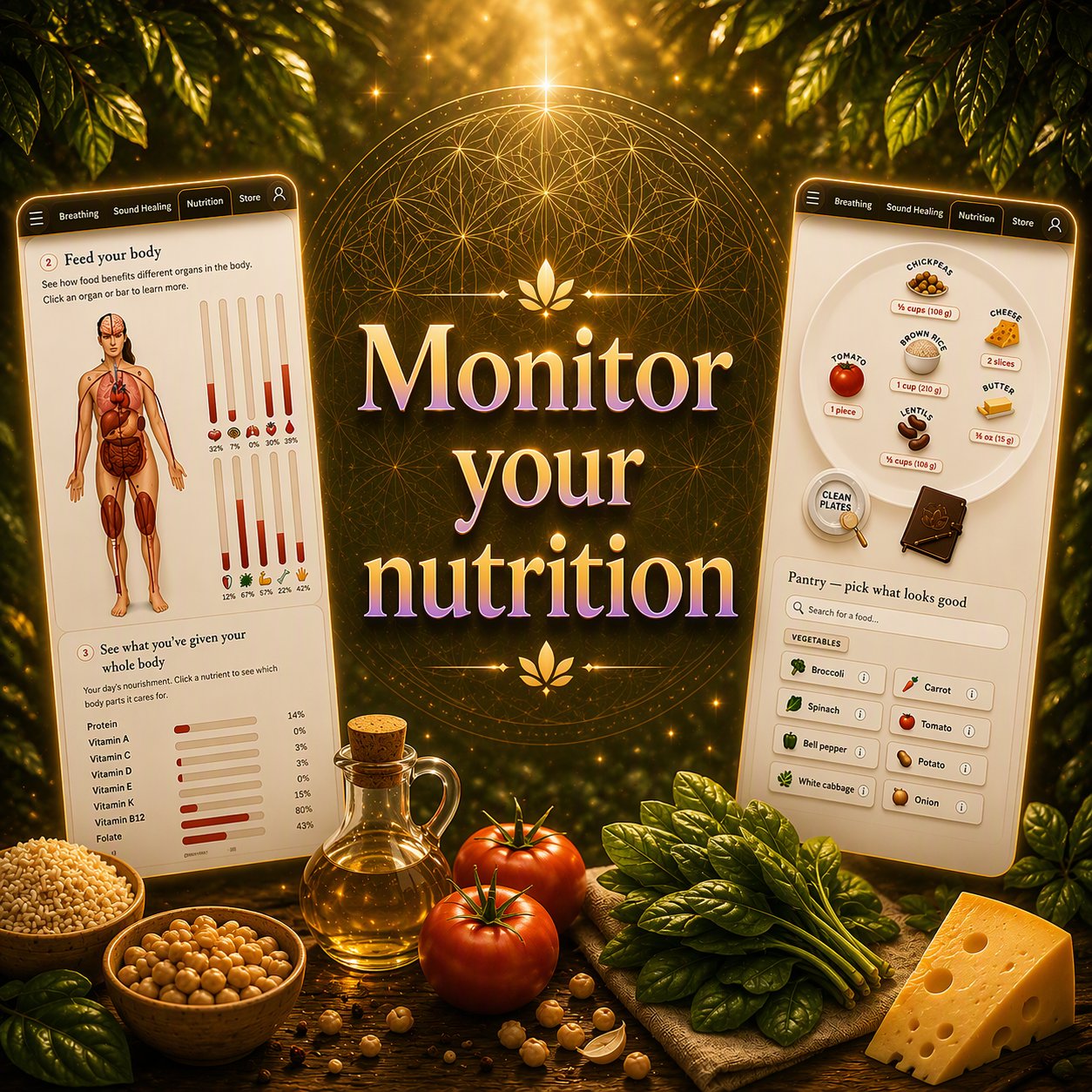
Changing habits becomes much easier when you can actually see your patterns. Nutrition Tracker from Holistic Loader is designed to help you understand your food choices and make gradual improvements over time.
Plan breakfast, lunch, dinner, and snack plates in advance, and explore how different food combinations affect your overall nutrition — reducing impulsive decisions and making healthy choices easier. Go beyond simple food logging to see how nutrients connect to brain function, heart health, bones, muscles, immune function, and other body systems, turning nutrition from abstract numbers into something meaningful and practical.
You can also view your nutrition history to spot positive trends, nutrient gaps, and areas that need improvement — and log habits you're trying to reduce, like excess sugar, alcohol, or smoking, with graphs that make patterns easier to recognize and stay accountable to.
Free to use, no download required.
The healthiest diet is not the strictest one. Lasting success usually comes from understanding your habits, identifying triggers, making small improvements, and staying consistent over time. Instead of trying to be perfect, focus on becoming slightly better each day — small choices repeated consistently can eventually become lifelong healthy habits.
Frequently Asked Questions
Why is it so hard to break unhealthy eating habits?
Because many food choices become automatic responses to stress, boredom, fatigue, convenience, or social situations rather than genuine hunger. That automaticity is exactly why willpower alone often isn't enough — changing the trigger or the environment usually works better than "trying harder."
What's the first step to changing my eating habits?
Start by observing, not changing. A food journal or a few days of honest reflection can reveal the situations and emotions that drive your choices, which makes it much easier to target the right habit first.
Should I change my whole diet at once or make small changes?
Small, realistic changes — like swapping one snack a day — tend to stick far better than a complete overhaul. Sustainable habits are built gradually, not all at once.
How do I stop emotional eating?
Pause before eating and ask whether you're physically hungry or responding to stress, boredom, tiredness, or another emotion. If it's emotional, try a short walk, a few minutes of deep breathing, or another non-food response instead.
Sources & References
The following resources cover the principles of habit change and healthy eating discussed in this article.
- National Institute of Diabetes and Digestive and Kidney Diseases (NIDDK) – Changing Your Habits for Better Health.
- Centers for Disease Control and Prevention (CDC) – Improving Your Eating Habits.
- Centers for Disease Control and Prevention (CDC) – Healthy Eating Tips.
- World Health Organization (WHO) – Healthy Diet Fact Sheet (2026).
- National Institute on Aging (NIA) – Expert Meeting on Healthy Habits: Habit Formation and Habit Change.
- National Institutes of Health (NIH) – Healthy Eating & Physical Activity for Life.
- Cleveland Clinic – The Importance of Understanding Your Eating Habits.
- Matthews et al. (2024). Supporting Sustainable Health Behavior Change. Mayo Clinic Proceedings: Innovations, Quality & Outcomes.